Affiliate links can be found within this post. If you need additional information, please see the disclaimer.

Introduction
C. L. Qvam (Chase Louise Qvam) has been lost and found on several occasions, and this time she’s been found by you!
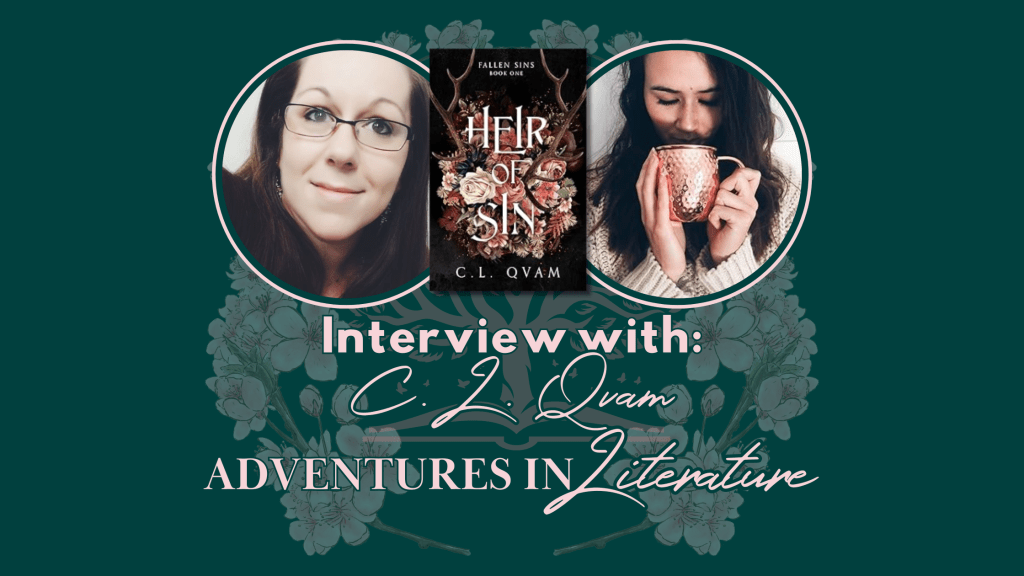
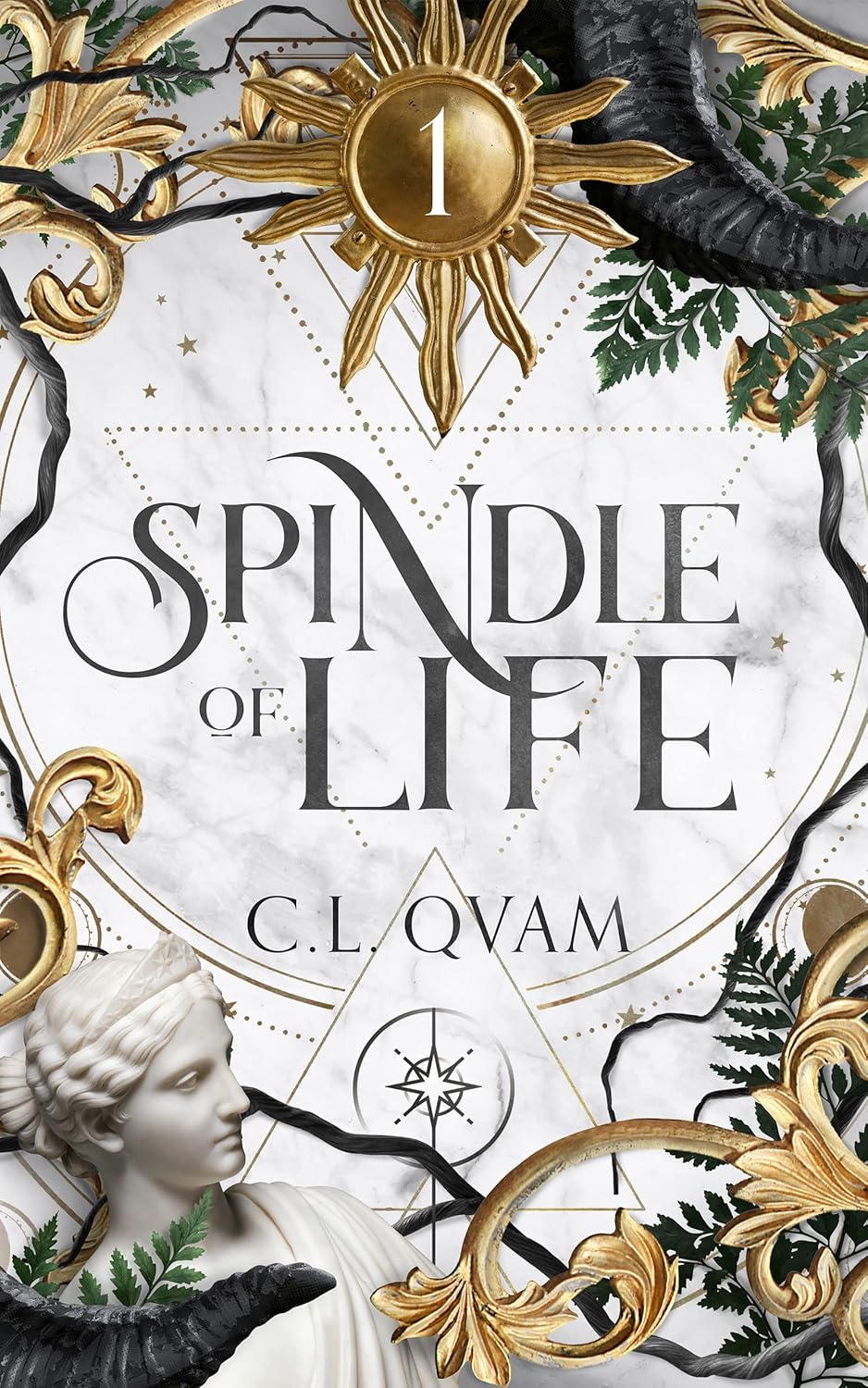
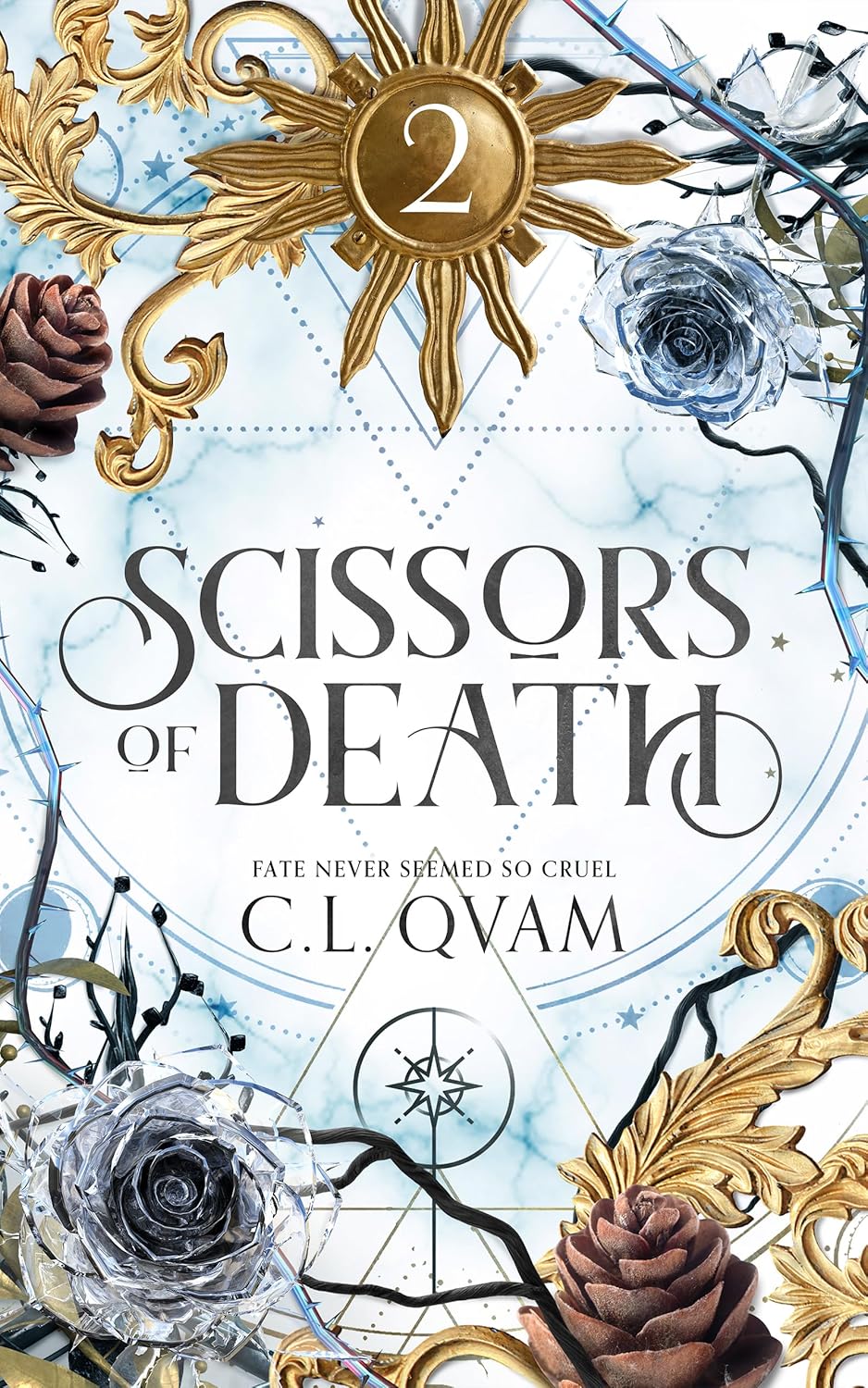
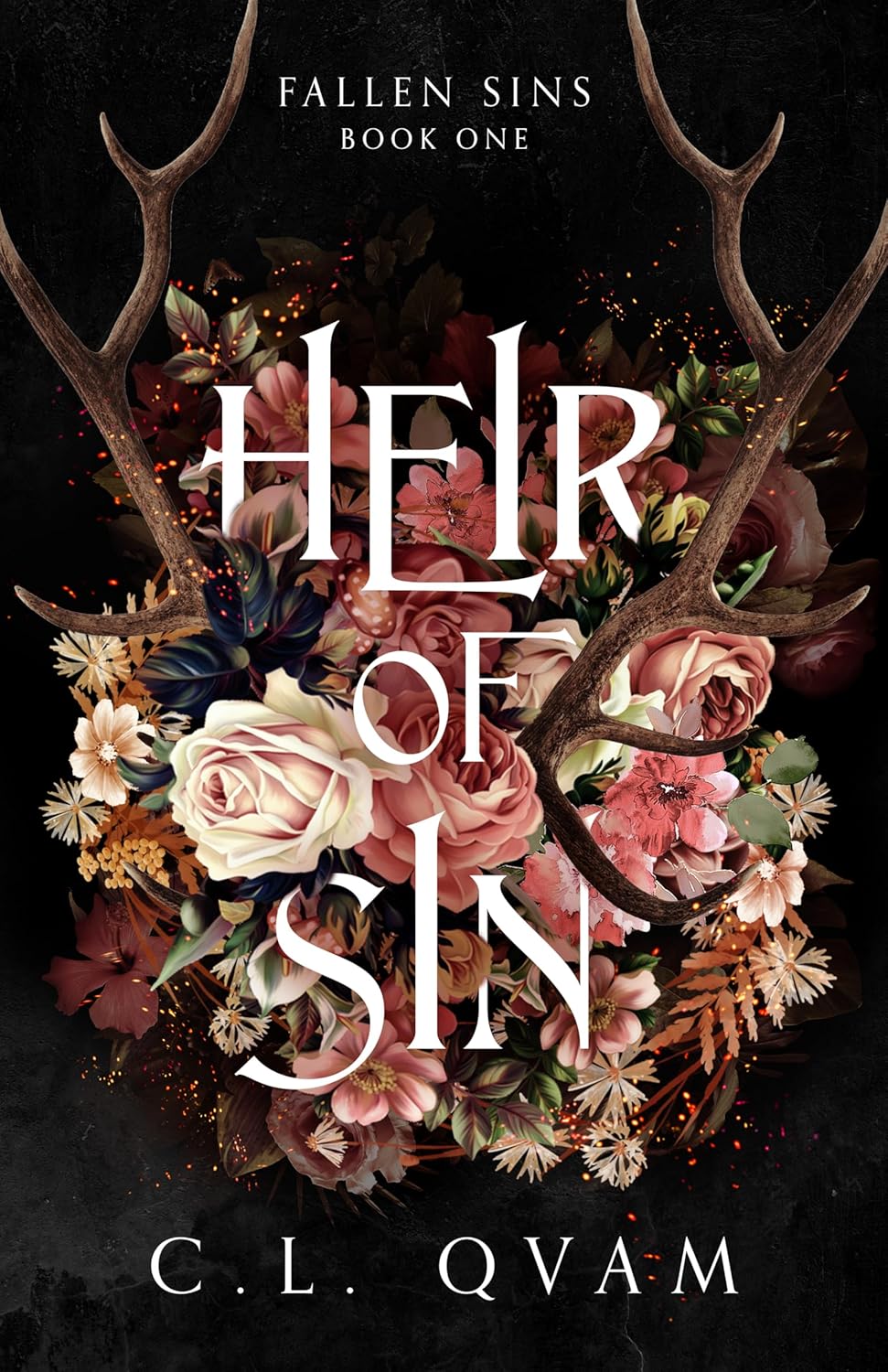
I found C. L.’s books one year ago, almost to the day, when her Spindle of Life trilogy fell in my lap. One of the tour companies I’ve done a lot with had sent out an email and I looked over the book, saw what it was about and knew I wanted to read it right away. Ever since then, I’ve been very interested in her work and keeping up with what she has coming out. Her latest release, Heir of Sin, is the start of a fascinating new romantasy series of hers focusing on djinn and the seven cardinal sins. You can check out my review for Heir of Sin HERE.
Chase’s Books
Click on any book to be taken to their Amazon listing page to learn more!

Interview with Chase Louise Qvam
Q: What are some of your favorite things to do when you’re not writing?
A: These days it would be sleeping, haha! No, but in all seriousness, I don’t do much of anything else except the occasional reading since being in burnout recovery. I do love travelling though, and I used to love being at the gym, so I hope to get back into that when my health allows it.
Q: Would you be willing to tell us more about your furbabies? Names, types, etc?
A: Sure! So, Tigris Athena is a mixed-breed cat. She’s named after my childhood cat, the Tigris river (there’s a longer story to this), and the goddess Athena. She’ll be five in November, and she definitely has a bit of Siberian/Norwegian forest cat/maine coon in her. She’s wildly talkative and keeps us on our toes. When it comes to cuddles and breaks (in order to cuddle), she’s the boss. She also has separation anxiety just like her mum (a.k.a. me), so every now and then we’ll see her barge in through her little door/flap during the day, just to check that I’m home. If you’ve ever seen videos of cats acting like babies, or giving human-like snuggles, that’s pretty much Tigris on a daily basis.
Q: What is your favorite strange food combination?
A: Well, my favourite food combination is anything that has single cream and cheese to it, be it meat or pasta dishes. But my strangest food combination would probably be either chips/fries or pizza with mashed potatoes. To me it’s practically a delicacy, but I’ve received a few odd looks whenever I have it in public 🤭
Q: If you were to ask your friends or family, what would they say your greatest “Superpower” is?
A: I think it would be a tie between grit, empathy and creativity to be honest. And I think most would say I have more of each than what’s good for me 😂
Q: If you could be any fictional character (cartoon, movie, show, book, etc), who would you be?
A: Whichever confident (because I’m the opposite) FMC who would be in a why-choose relationship with all my favourite book boyfriends in my favourite bookish worlds – probably, lol! Don’t make me choose, I beg of you. 🫠
Q: What book are you reading right now, or recently, that you’d recommend to someone?
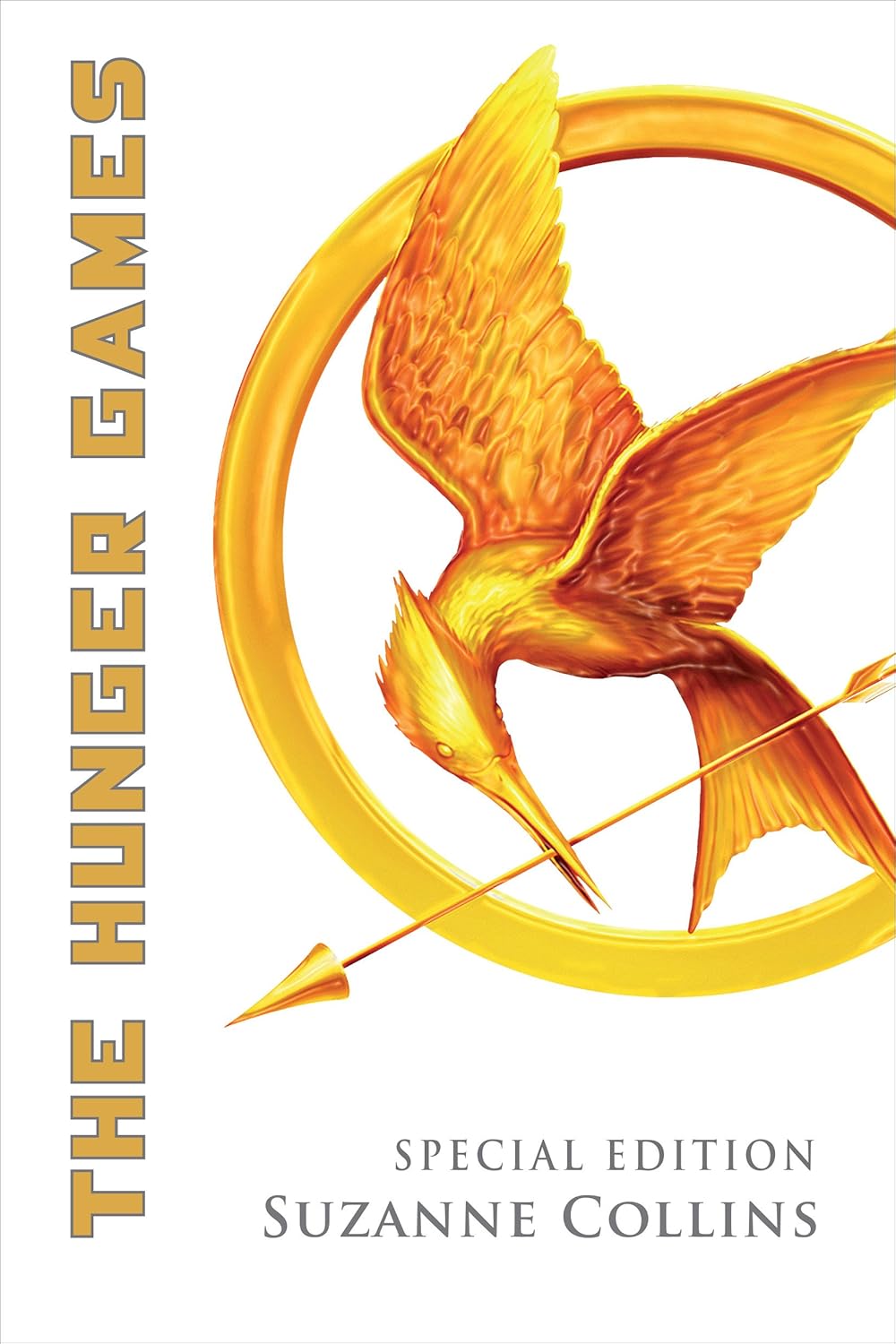
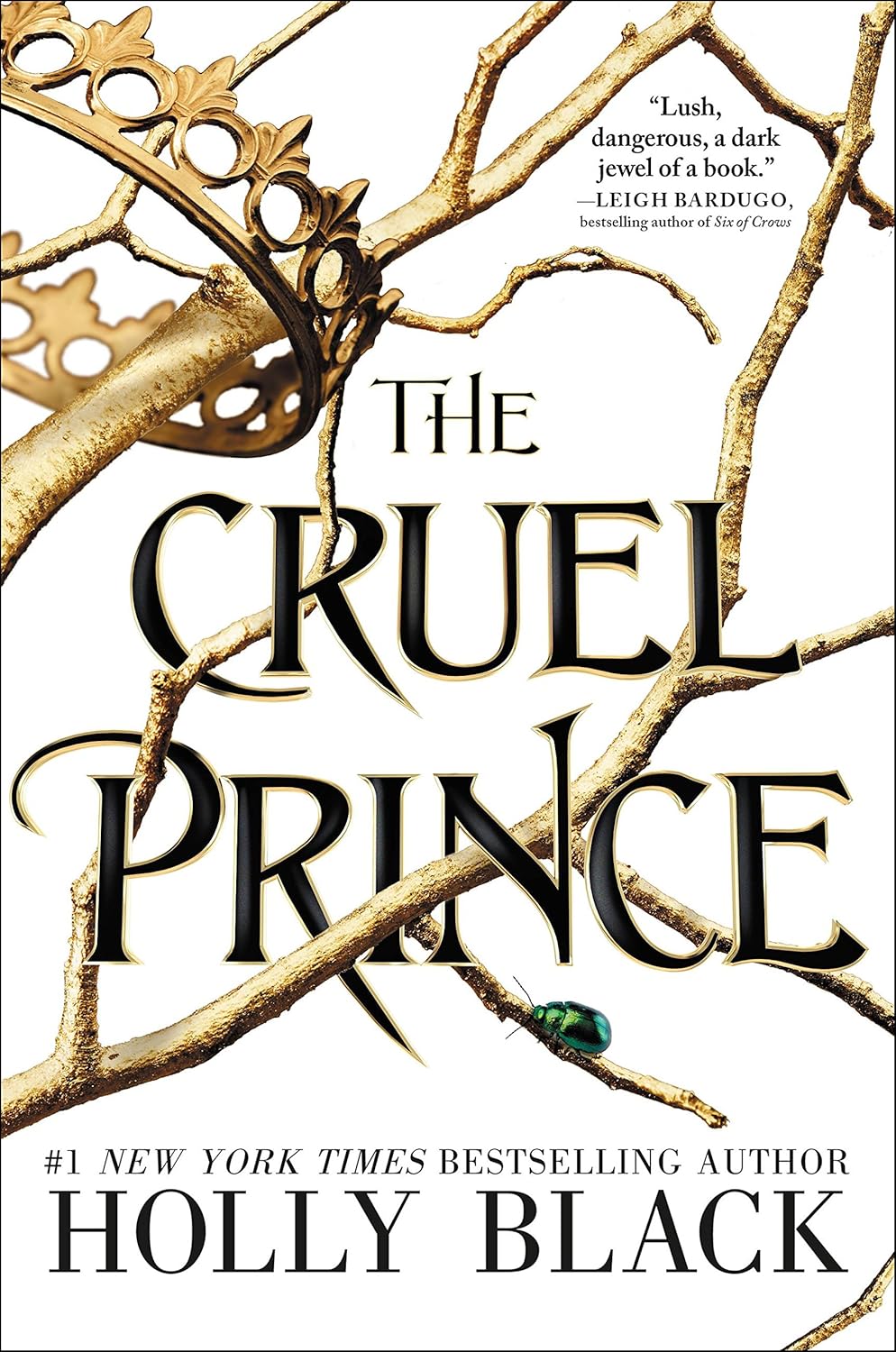
A: Oh, I’m truly bad with these ones since I barely have the time to read, but if it comes down to it, I’d probably (in general) recommend the Hunger Games, The Folk of the Air series, and something smutty with forced proximity. That pretty much sums up what I dabble in as well (detailed worlds, morally grey characters, tension filled romance, ideological/political intrigue), so, if you’re a reader of mine, I’m thinking you’d be more likely to find an overlap of elements you like here? Typically, I’d be the one asking you for recommendations!
Q: Can you tell me a little bit about your writing process? Note taking; favorite place to write uninterrupted; etc?
A: I use my iphone for taking notes. I have a separate note dedicated to each project, and I tend to outline the projects before I start or at some point during the process of writing the rough draft. Sometimes I just write down whole scenes when inspired, because I know these will always come out better than when I’m forcing it. I used to be a sit-at-coffee-shops-and-write kind of girl, but the last few years I’ve been more about bringing a duvet and pillow into the hammock with my water bottle. I can spend hours there, without having my body decide to take me out for a week after.😅
Q: Two part question here: What is your most favorite and least favorite thing about being an indie author?
A: Favourite thing is definitely engaging with readers reading and enjoying my books. Sometimes – particularly when I’m stuck or life in general is DOA – what keeps me going is the excitement I hope to see in readers once introduced to the worlds in my head. You suspect that the world you’re creating is something special. You hope readers will find it something special. You dream about readers finding it special. But when you actually experience readers being excited about it, it really cements that trust and confidence in yourself and your ideas — making you think that perhaps you weren’t delulu afterall. In other words: readers loving our worlds makes it all worthwhile.
My least favourite thing is the pressure. Contrary to popular belief, being indie isn’t easy. There’s a hundred different things that can go wrong, and we juggle multiple full-time positions to try to make sure it doesn’t. And even then there’s external things that we can’t control, and social expectations to manoeuvre. The stakes are high, the sacrifices many, balancing on a fragile house of cards without any guarantee for a pay-off. My biggest fear is waking up to find that the house has crumbled and then what?
Q: Over the last few years, we’re starting to see more mental health and trauma representation in writing. How do you think this is being accepted by readers?
A: This one is going to be difficult for me to answer. Both because I don’t want to accidentally discourage anyone from writing mental health/trauma rep, and because I’m still processing my own thoughts and experiences around this. My response might also differ from another author’s response, because it’ll be coloured by my own experiences and the data I have.
I’ll start with this: I used to think that mental health rep and trauma rep was widely and openly accepted by readers – even wanted. And I will say that those who want it and/or relate to it – they really appreciate and enjoy it (so do focus on that if you’re an aspiring author). It is something very special about writing MH/T rep and having a reader tell you how much it meant to them. Especially when that rep is ownvoice based.
Although I see that those who appreciate mental health/trauma rep will rate books highly because of it, I also see that it’s one of the more prominent reasons for why books are rated lower (and this is the case for a lot of diversity/ownvoice/minority books). There’s a number of reasons for this. Readers might find the content triggering (despite content warnings), or they want escapism (particularly after the pandemic). Mental health/trauma by nature isn’t always pretty. It’s not always likeable or even sensible. And if you want to write it authentically, it’s rarely escapism. It can be tough and heavy, with two steps forward and one step back on the character’s journey through dark worlds. Some readers have less patience with this than others, and unfortunately, it seems books with MH/T rep take the brunt of it, particularly where female main characters (FMCs) are concerned.
The way I’ve seen some people talk about MH/T representing FMCs on social media is disconcerting. They don’t explicitly complain about the characters representing mental health per say, but the listed offending traits are often the traits that make the characters MH/T reps in the first place. It makes me concerned for readers in these spaces who relate to these characters, to see characters like them be discussed in such ways. Of course, there’s a case to be made here for reader preferences, but I do think there’s still space for more tolerance and curiosity where minority/diversity characters are concerned.
All that said, these things change like the tide. One moment something is trending, the next it’s not – and although not everyone embraces mental health/trauma rep, many do. These are the readers I try to focus on. These are the readers I’ve written my books for. I just hope they’ll find their way to them.
Q: Can you tell me a little bit about how you start plotting your debut trilogy at 14? What has changed from that plot over the years and what did you hold onto?
A: When I was fourteen, I wanted to write a series about a group of friends starting out at a magical school in our world, who’d visit other worlds through portals Narnia-style. There’d be romance and a female main character as the reluctant chosen one who’d discover herself, her heritage, and overcome being an orphan (as I had just become, having recently lost my mother a few years after I lost my father). I was a big philosopher as a child, as well as I believed (or wanted to believe) magic and mythology to be real, so I wanted to write this into the foundation of the stories as well.
All of this – including the main cast of characters save for Sophie and Flora who introduced themselves later – carried over into the final result, but what I hadn’t planned was the overarching theme of the three fates, the ancient war between them, and the Agnus’ role in it all. That came about simultaneously as I was going through a huge personal crisis following twenty something years of trauma catching up to me. At this point, I decided to write my trilogy. I struggled with depression and suicide ideation and wanted to leave my stories behind in case I didn’t make it. It gave me purpose, though, and became something for me to pour my own healing journey and traumas into, and in such a way, it changed my whole trilogy – but most of all my debut – a lot. I don’t think it was my intention that my debut would be as dark as it became. It was supposed to be more romantic, more like the other two books in the series, and this in itself sidetracked the trilogy from my original concept. But it is what it is.
I would say most of the scenes made it into the final cut still, such as the loft scene at the Experimental Station, the epilogue in Spindle of Life, the boys singing in Scissors of Death, etc., but with a few alterations. There were also a couple scenes that were forgotten, and which no longer fit when the premise strayed from the original concept. I’ve found new homes for these in future stories though – one of them which will be closer to the original concept as I intended it – where they’ll get their time to shine – and it’s made possible because I wrote the original trilogy the way I did. I think that’s been one of my favourite things about this whole journey: what’s meant to be simply will be in the end. It all happens for a reason.
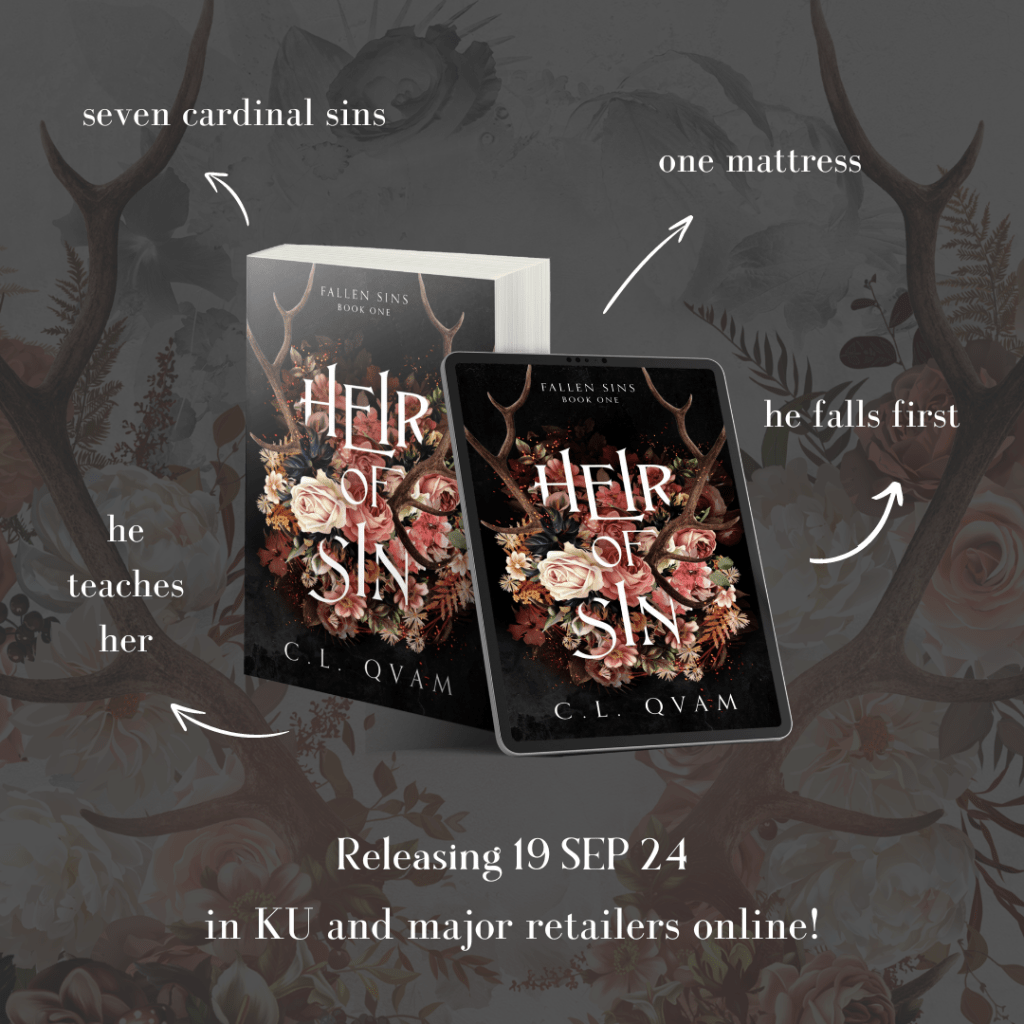
Q: Tell us a little about what inspired your upcoming release for Heir of Sin?
That was a healthy mix of Bridgerton (specifically the dynamic between Anthony and Siena even though HoS developed in a whole different direction later), Pinterest, and being in my first year of reading romantasy with explicit spice, haha. It was honestly just a point in time of being in a creative flow, being inspired by loads of things and visual cues around me, but it wasn’t until I had an idea for the second book – and realised that these books would work as an interconnected series of standalones – that the concept of the seven cardinal sins came into play and truly set things in motion. When I finally sat down to write it, I think I wrote two thirds of Heir of Sin in a matter of two or three weeks. That was almost two years ago now, I think.
Q: What scene or moment from one of your books stands out to you the most that you love to tell people about?
Typically, it’s every scene in each of my books where my characters finally let themselves go and give in to what they want — or where a major plot twist happens that had my early readers screaming. But I can’t tell you about those without spoiling them, so you’ll have to read them for yourself 😉
Q: What advice would you give to a new writer just starting out?
Have fun with it. Don’t set out to save the world. Don’t try and cater to everyone. Don’t spend too much time perfectioning your debut. Figure out what you want to write rather than being hung up on what you think you should write, and give yourself permission to experiment with different kinds of stories (you’re going to learn sooo much and only improve with each one). Then – once you have a (or several) manuscript you’re pleased with – start soliciting feedback from readers in your genre, but keep in mind that not all advice is good advice. Build trust in your own voice and vision.
Q: You have 50 words or less to convince an audience why they should read your books. Go!
I mean, there’s a high chance you’ll scream at my books either in anger or joy, so if you’re keen on angsty/emotional roller coasters that are a little different from what else is out there, then you know where to find them (KU or your favourite bookish retailer that is).
Follow Chase
C. L. Qvam has been lost and found on several occasions, and this time she’s been found by you!
Drawn to everything British and lore infused stories that explore the morally grey, Chase moved across the pond at a young age to write the story in her heart. Since then, the mixed-race, Norwegian author has identified as an English rose and defies the barriers of her first language and dyslexia to write in her preferred language on the daily.
While pieces of her debut trilogy were drafted all over the world, Chase now spends her day writing back home in Norway, living with a very patient boyfriend and furbaby.
What can you expect from C. L. Qvam’s writing?
- fresh twists on lore and mythology from multiple cultures
- darker content that explores the many different nuances of human (and non-human) nature
- unexpected plot twists
- morally grey characters (and some not so gray)
- romance, heat and spice. Some books won’t go beyond fade-to-black, while others will have explicit sexual content.
- originality as well as vibes and tropes comparable to household titles you love and adore.
- foreshadowing, cameos and eastereggs to other titles in her other series planned and published.
Looking for book recs…


 Adventures in Literature
Leave a comment