
Affiliate links can be found within this post. If you need additional information, please see the disclaimer.
The Magic of Sci-Fi: Exploring the Unknown and Imagining the Future
Science fiction is a genre that dares to ask, “What if?” It takes us to worlds beyond our wildest dreams, challenges our understanding of reality, and inspires us to imagine a future full of possibilities. From the farthest reaches of space to the inner workings of the human mind, sci-fi is a celebration of curiosity, creativity, and the boundless potential of the human spirit.
This March, as we dive into the March Reading Challenge, let’s explore the magic of sci-fi and why it continues to captivate readers and viewers around the world.
Before we get into it, here’s something a little extra from Teika Marija Smits!
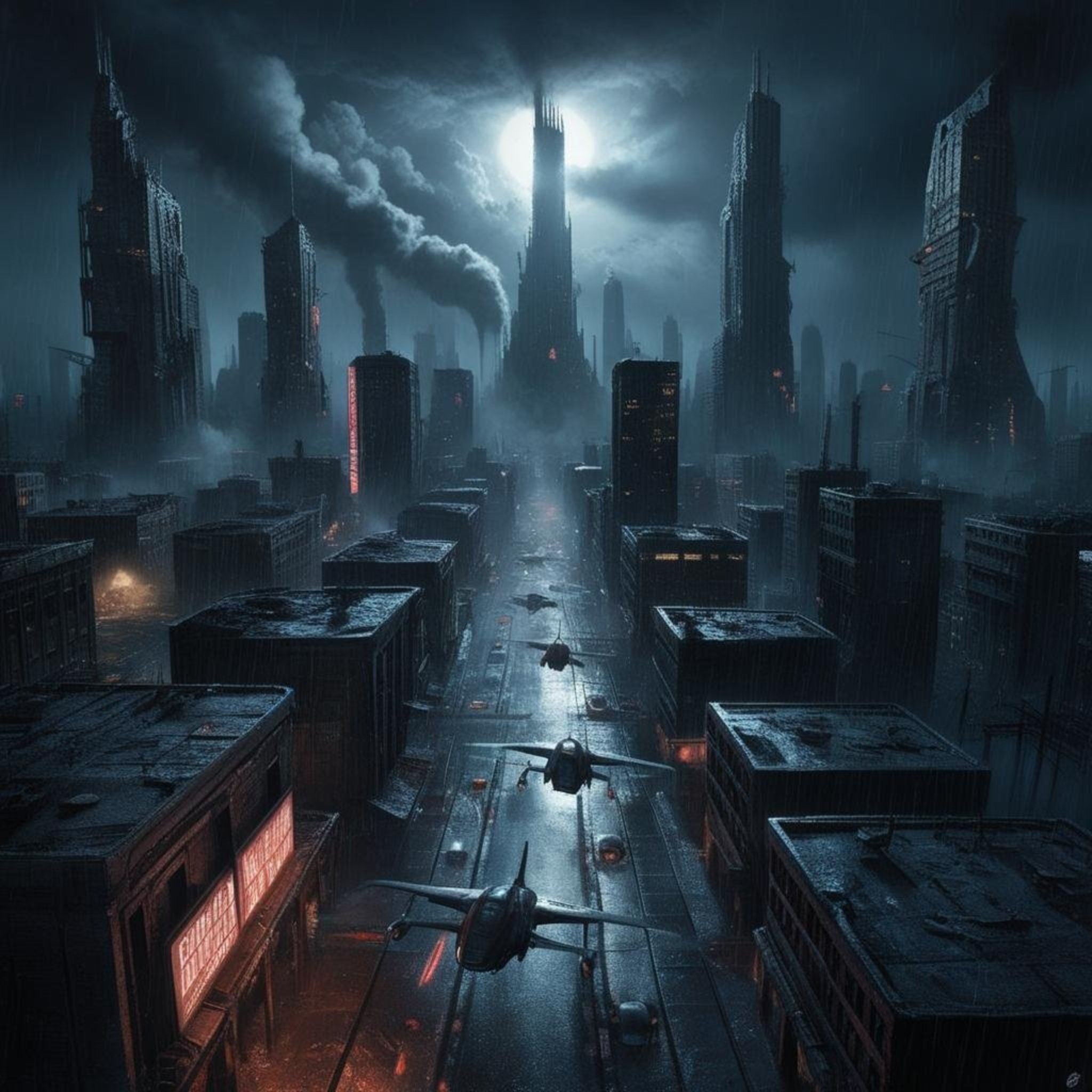
The Appeal of the Future Dystopia
Much of the science fiction I read as a teenager and young adult was set on Earth and dealt with the not-too-distant future, with the novels 1984 and The Handmaid’s Tale, as well as films such as Blade Runner and Logan’s Run, leaving a deep impression on me. At the time I was reading these novels, I wouldn’t have known they belonged to a particular subset of science fiction – the future dystopia – and I also wouldn’t have been able to articulate just why I found them so compelling.
Now, though, I understand the appeal of a genre which, to some, may be depressing, particularly when we live on a diet of global bad news. Utopias, with their perfect societies, should be more popular, but I sense that the appeal of the future dystopia is due to the thought-provoking and self-revealing questions it poses: how would you react if you were placed in this scenario? Would you show yourself to be a hero – to break free of an oppressive regime or would you bow under the pressure to acquiesce?
“Given the ongoing popularity of the future dystopia in fiction and at the cinema, I think it highly likely the genre will continue to flourish. Indeed, I met with a great deal of enthusiasm about my most recent project: an anthology of speculative short stories inspired by Yevgeny Zamyatin’s We called The Utopia of Us. Zamyatin’s We, which was a huge influence on Orwell’s 1984, celebrated the centenary of its first publication last year and I’m ever so pleased to see it continuing to find new readers.
More about how I came to edit The Utopia of Us can be found here:
https://orwellsociety.com/zamyatin-centenary/
About:
Teika Marija Smits is a UK-based freelance editor and the author of the short story collections Umbilical (NewCon Press), which was shortlisted for the 2024 Rubery Book Award, and Waterlore (Black Shuck Books), as well as the poetry pamphlet Russian Doll (Indigo Dreams Publishing). In 2024 she edited the We-inspired speculative fiction anthology The Utopia of Us (Luna Press Publishing) to celebrate the centenary of the first publication of Zamyatin’s We. Most recently, she was the winner of the British Fantasy Society’s Sydney J. Bounds Award for Best Newcomer. She is delighted that ‘Teika’ means fairy tale in Latvian.

1. A Gateway to the Unknown
At its heart, sci-fi is about exploration. Whether it’s venturing into the depths of space, traveling through time, or encountering alien civilizations, the genre invites us to step into the unknown and discover what lies beyond the horizon.
Works like 2001: A Space Odyssey and Interstellar take us on journeys through the cosmos, reminding us of the vastness of the universe and our place within it. According to a study published in Frontiers in Psychology, engaging with stories about exploration can foster a sense of wonder and curiosity, encouraging us to seek out new experiences and knowledge in our own lives.
Sci-fi doesn’t just explore outer space—it also delves into the mysteries of the human mind. Stories like Inception and The Matrix challenge our perceptions of reality, asking us to question what we know and how we know it.

2. Challenging Our Perspectives
One of the most powerful aspects of sci-fi is its ability to challenge our perspectives. By presenting alternative realities and futures, the genre encourages us to think critically about our world and the choices we make.
For example, The Handmaid’s Tale by Margaret Atwood uses a dystopian future to explore issues of gender, power, and autonomy, while Kindred by Octavia E. Butler uses time travel to examine the legacy of slavery and racism in America.
As noted by The New York Times, sci-fi has the unique ability to “make the familiar strange and the strange familiar,” allowing us to see our own world in a new light. This shift in perspective can be both enlightening and transformative, sparking conversations and inspiring change.

3. Imagining What Could Be
Sci-fi is a genre of imagination, and its visions of the future have often inspired real-world innovation. From Jules Verne’s 20,000 Leagues Under the Sea to the communicators in Star Trek, many sci-fi ideas have become reality.
A report by the World Economic Forum highlights how sci-fi can serve as a “sandbox for innovation,” allowing us to experiment with ideas and technologies in a safe, imaginative space. For example, the concept of artificial intelligence, once a staple of sci-fi, is now a reality that shapes our daily lives.
But sci-fi isn’t just about predicting the future—it’s about imagining what could be. Works like The Martian and Project Hail Mary show us the power of human ingenuity and resilience, reminding us that even in the face of seemingly insurmountable challenges, we have the ability to adapt, innovate, and thrive.
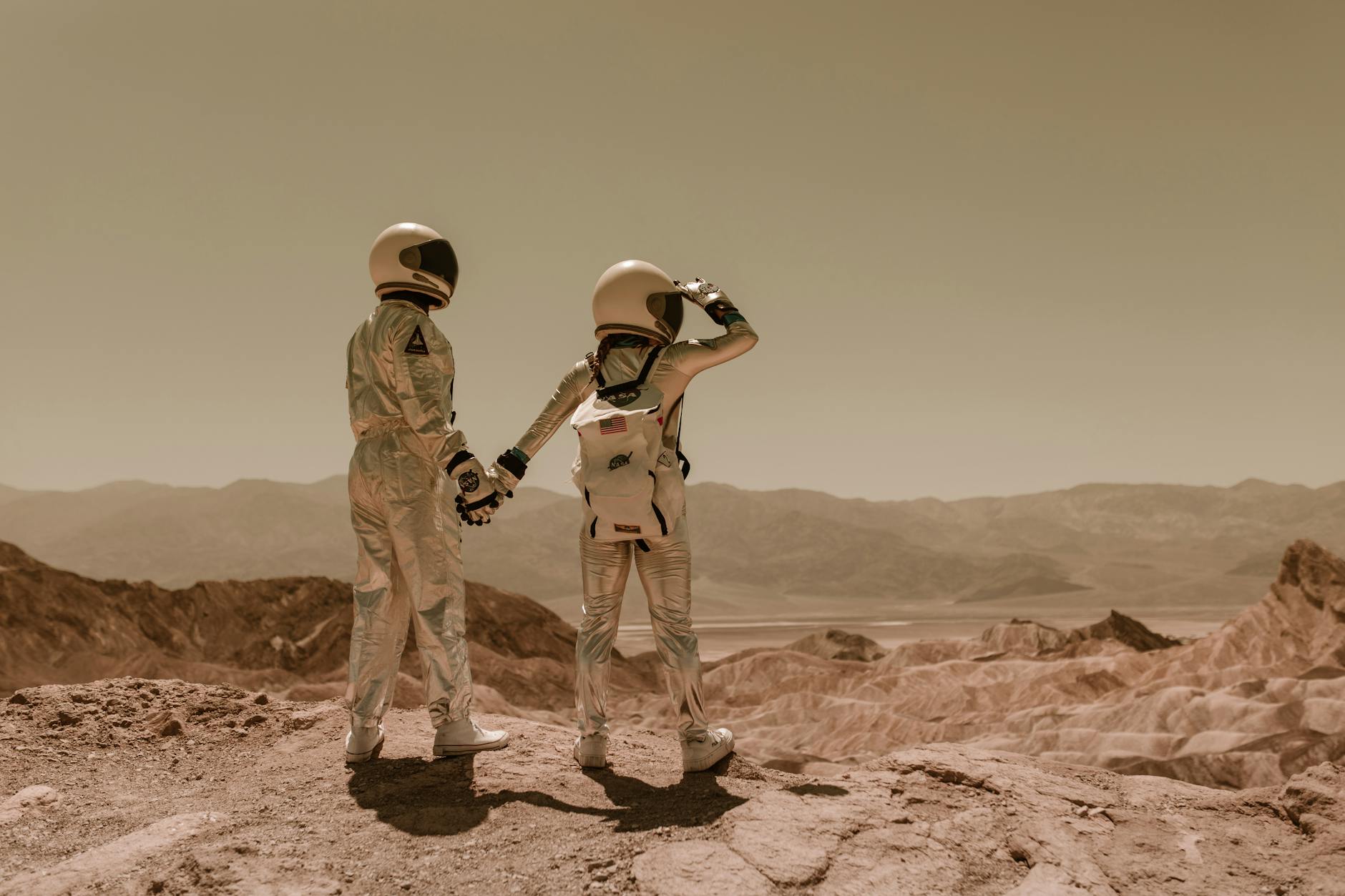
4. The Joy of Discovery
Let’s not forget the sheer joy of sci-fi! Whether it’s the thrill of a space battle, the mystery of an alien encounter, or the excitement of discovering a new world, sci-fi is a genre that delights and entertains.
According to a study by the University of Sussex, reading fiction can reduce stress levels by up to 68%, providing a much-needed escape from the pressures of everyday life. Sci-fi, with its larger-than-life stories and characters, is the perfect way to unwind while still engaging your mind.
5. A Community of Dreamers
Sci-fi has always been a genre that brings people together. From fan conventions to online forums, sci-fi fans are a passionate and inclusive community, united by their love of the genre.
As Wired magazine notes, sci-fi fandom is a space where people can share their ideas, celebrate their favorite stories, and connect with others who share their interests. This sense of community is one of the things that makes sci-fi so special—it’s not just a genre, it’s a way of life.
Conclusion: The Enduring Magic of Sci-Fi
Science fiction is more than just a genre—it’s a celebration of curiosity, creativity, and the human spirit. It challenges us to think critically, inspires us to dream boldly, and reminds us of the power of storytelling.
As we celebrate sci-fi this March, let’s embrace the magic of the genre. Whether you’re revisiting a classic, discovering a new favorite, or debating the merits of lightsabers vs. phasers, there’s something for everyone in the world of sci-fi.
So grab a book, settle in, and let your imagination take flight. The future is waiting—and it’s brighter (and more exciting) than ever.
References:
- Frontiers in Psychology – “The Psychological Benefits of Exploration Narratives.”
- The New York Times – “How Science Fiction Helps Us Understand Our World.”
- World Economic Forum – “Science Fiction as a Sandbox for Innovation.”
- University of Sussex – “The Stress-Reducing Benefits of Reading Fiction.”
- Wired – “The Power of Sci-Fi Fandom.”
Looking for book recs…





 Adventures in Literature
Leave a reply to Saturday Miscellany—4/12/25 – The Irresponsible Reader Cancel reply